


908 Tankers Sanctioned as One-Third of Aframax Fleet Is Blacklisted
- H Mohammed

- Dec 26, 2025
- 2 min read
Maritime Cargo Chronicles | Global Sanctions Watch
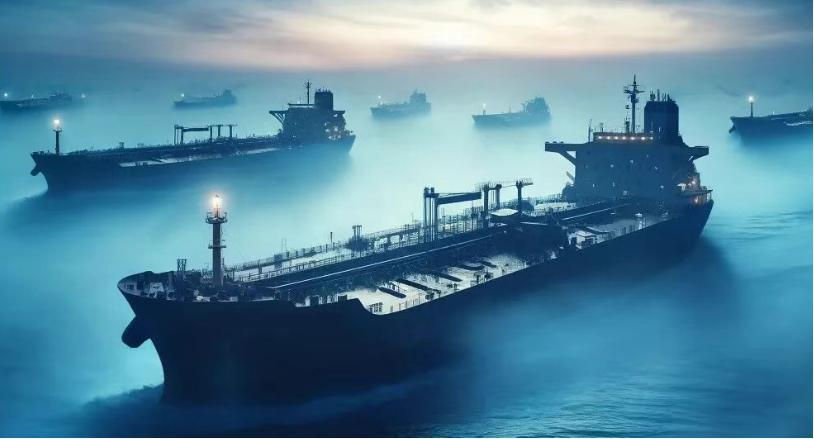
The global tanker market is facing mounting disruption as Western sanctions continue to expand, pushing a growing share of the world fleet into restricted status. According to the latest industry data, the so-called “shadow fleet” is now a structural feature of the oil trade, with sanctions increasingly reshaping vessel availability and trade flows.
Industry analysis indicates that a total of 908 tankers have now been placed on sanction lists worldwide, representing approximately 16% of the global tanker fleet. The Aframax segment has been impacted most severely, with nearly one-third of global Aframax capacity currently blacklisted. By contrast, VLCC and Suezmax segments account for around 16%, largely due to operational constraints limiting VLCC access to Russian ports.
Market observers note that the escalation in sanctions is no longer confined to vessel listings alone. Recent U.S. measures targeting major Russian oil producers, including Lukoil and Rosneft, are widely expected to have broader and more lasting consequences than tanker sanctions themselves, potentially disrupting upstream supply and downstream trading relationships.
According to sector research, major Indian refiners are already reducing purchases of Russian crude, while some Chinese state-linked oil companies are also reassessing exposure. If large Asian buyers increasingly turn to Middle Eastern or African suppliers, demand for non-sanctioned conventional tonnage could rise sharply, tightening vessel availability across key routes.
Following the U.S. announcement, Indian refiners reportedly accelerated procurement of Middle Eastern crude to offset potential shortfalls. At the same time, shipping law firms and compliance specialists have reported a surge in inquiries from charterers, traders, and shipowners seeking clarity on contractual exposure and sanctions compliance obligations.
Sanctions specialists warn that direct financial restrictions on oil producers may prove more disruptive than price-cap mechanisms alone. Analysts argue that limiting access to capital, insurance, and settlement channels could have a deeper impact on trade flows than previous policy tools employed by Western governments.
The EU and the UK have remained at the forefront of tanker-focused sanctions throughout the year, including unilateral adjustments to the Russian crude price cap below USD 60 per barrel. Data indicate that tankers now account for roughly half of all sanctioned vessels globally, with the average age of sanctioned tankers exceeding 21 years, compared to 14 years for the mainstream fleet.
As Russia’s export routes become increasingly constrained, the Aframax market structure is undergoing rapid adjustment. Industry participants, including commercial advisory and chartering-focused firms such as MAKM INTERNATIONAL INC, note that any sustained shift by India and China toward alternative crude sources could support freight rates in the short term, while longer-term impacts will depend on geopolitical developments and the durability of sanctions regimes.
by
Maritime Cargo Chronicles


Comments